
Selling a Home in Cooper City, FL
Before you list, know your real net. Here's what it costs to sell in Cooper City, and why pricing right matters most in a cooling market.
Calls returned within 1 hour. Texts, usually minutes.
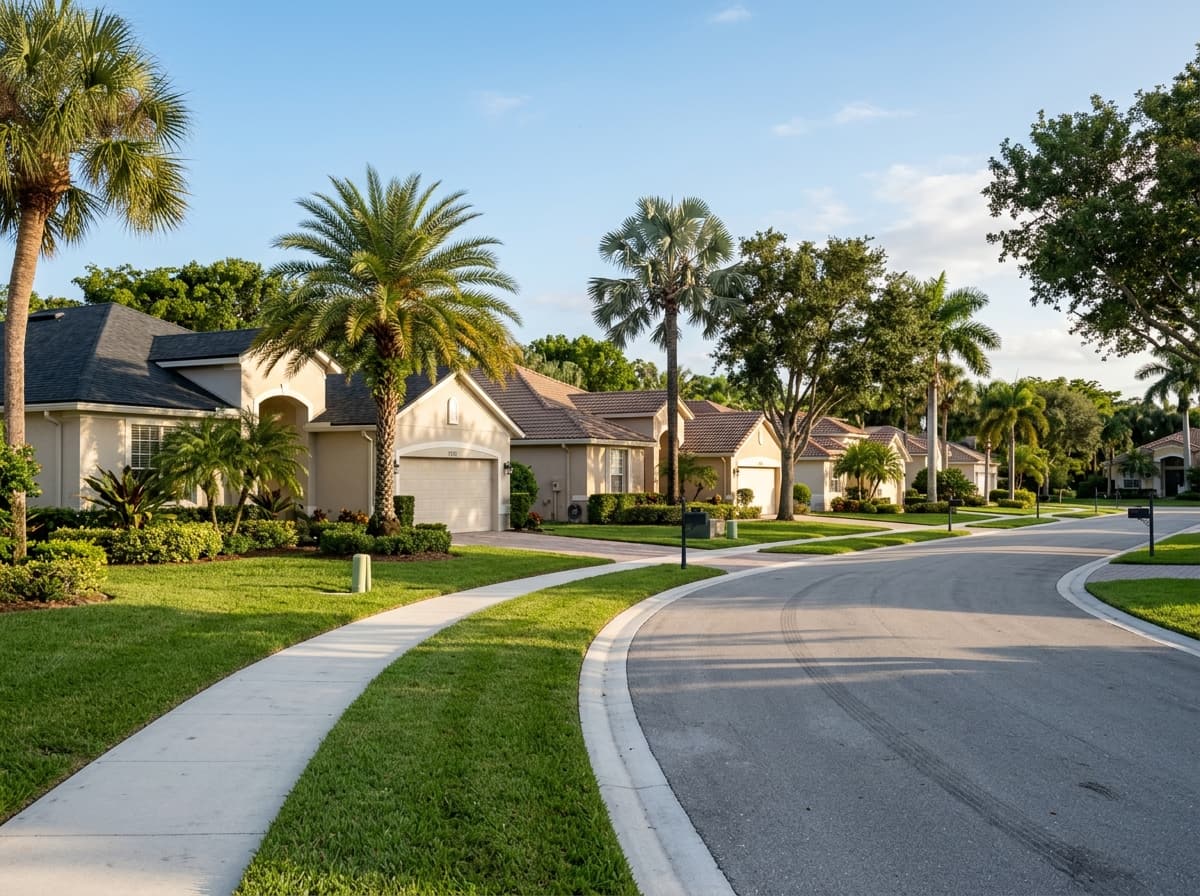
What it actually costs to sell here.
Most sellers ask one question first: what do I walk away with? Fair question. So let's skip the sales pitch and lay out the money the way a closing statement does.
Your proceeds are the sale price minus a short stack of line items. The biggest is the agent's compensation, and mine is simple: compensation is always negotiated. After that come the standard Florida charges. Title and settlement fees. The documentary stamp tax on the deed. Property taxes prorated up to your closing day. Any community estoppel charge that confirms your HOA balance. And, in a market like this one, the occasional repair credit a buyer negotiates after inspection.
On a home near the $601K Cooper City median, as of mid-2026, those line items are real money, and guessing at them helps nobody. That's why I build a net sheet before we talk about listing at all. You see the estimated top line, every deduction under it, and the number at the bottom. No optimism baked in, no surprises saved for the closing table.
Here's the honest part. The single biggest lever on your net isn't shaving a fee somewhere. It's setting the right price on day one. In Cooper City right now, that matters more than usual, and the next section explains why.
What's your Cooper City home worth right now?
Type your address. I'll run the numbers myself. You'll hear back within the hour.
No spam. No pressure. Just a real answer from a real local.
Why pricing right matters more here than most places.
Cooper City is doing something none of my other four cities are doing right now. The median sale price is down about -6.6% YoY as of mid-2026. That dip is real, and I'd rather name it than dress it up.
But read the whole picture, not half of it. Homes here still sell in roughly 59 days, the fastest of the five cities I cover. Soft prices and quick sales at the same time tell you exactly what's happening: buyers are active, and the homes that move are the ones priced to meet the market instead of test it. Fastest-selling of the five cities for a reason.
So what does that mean for your listing? Two things. First, the old game of naming a hopeful number and waiting for it doesn't work in a cooling market. Overpriced homes here don't just sit, they signal, and buyers read a stale listing as a reason to lowball later. Second, a home priced honestly on day one still sells fast, which protects your net. The gap between those two outcomes is real dollars, and it dwarfs any line item on the closing statement.
This is also why the A-rated schools Cooper City shares with Weston matter to your pricing. Buyers shop that school access on a budget, and Cooper City is where the value-minded ones land. Price your home where those buyers are actually looking, and you tap the exact demand that keeps this town moving quickly.
Your pocket of Cooper City changes your net.
Cooper City isn't one market, and it isn't one set of costs either. Where your home sits decides which community charges land on your closing statement.
In newer construction at Monterra, expect association dues and, on some streets, a CDD bond carried on the tax bill. That bond funded the community infrastructure, and any unpaid balance factors into your payoff, so I check it before we price. Gated communities like Embassy Lakes run their own dues and, like all Florida associations, charge for the estoppel certificate that confirms your balance at closing. That estoppel is typically a seller cost, and Florida law caps what an association may charge for it.
Then there's the other end of town. Much of the Original section, those older ranch homes near the heart of the city, carries little or no HOA. Rock Creek's established, tree-lined streets often run light on association costs too. Fewer community line items can mean a cleaner net, though older homes sometimes trade a bit of that savings back in pre-listing prep. I'll tell you which side of that trade your home sits on.
None of this is meant to overwhelm you. It's meant to be mapped once, early, so your net sheet is accurate the first time instead of getting redrawn a week before closing.
Property taxes, prorations, and the homestead question.
Property taxes are the line item sellers forget until it shows up. In Florida, they're prorated: you cover the days you owned the home this year, the buyer covers the rest. It's routine, but the amount depends on your bill, and near the Flamingo Road corridor two similar homes can carry different tax pictures based on when each last sold.
If Cooper City is your homestead, your assessed value has likely been held down by the Save Our Homes cap for years. That's great while you own it, but it also means a new buyer may face a higher assessed value after the sale, which quietly shapes what they can offer. Knowing your own tax and homestead status helps me price and position the home for the buyer who's actually reading that bill.
I'm a real estate agent, not your accountant, so anything tax-specific I flag for your CPA. My job is to make sure the numbers on your net sheet reflect these prorations honestly, so the bottom line you see is the bottom line you get.
No rush. Just the honest read.
Selling is a big call, and plenty of Cooper City owners weighing it aren't in a hurry. That's completely fine. This page exists so you can understand the cost and the pricing before you decide anything, not so you feel pushed to list today.
When you do want the full marketing picture, professional photography on every listing, verified features, and honest copy written to the right buyer, I keep all of it on my main selling page so I'm not repeating myself here. And if you're still deciding between selling, holding, or just learning the neighborhood, my Cooper City area guide lays out the pockets, the schools, and the softening market in plain terms.
Whenever you're ready, the easiest first step is your number. Use the widget above, or text me your address and I'll send back a net sheet and a straight answer. No pressure, and no obligation to do anything with it.
Cooper City sellers ask me these first.
What does it cost to sell a house in Cooper City?
Think in terms of what leaves your proceeds at closing, not one sticker fee. There's the agent's compensation, then the usual Florida closing line items: title and settlement charges, the documentary stamp tax on the deed, prorated property taxes up to your closing date, and any HOA or community estoppel charges. In a softening market you may also credit a buyer for a repair or two. I build you a net sheet before we ever talk about listing, so the number at the bottom is a real one.
How should I price a Cooper City home right now?
Honestly, and on day one. Cooper City's median is off about -6.6% YoY as of mid-2026, the only one of the five cities I cover cooling like this. Yet homes still sell in roughly 59 days, the fastest of the five. Soft prices plus fast sales means buyers are watching and sellers are meeting the market. Price it right and it moves. Reach for a number the comps don't support and the fast market simply passes you by. I'd rather tell you that plainly than let you chase the market down.
Do HOA or CDD fees affect what I net?
They can, and it depends on your community. Gated pockets like Embassy Lakes and newer construction at Monterra run association dues, and the seller usually pays for the estoppel certificate that spells out your balance at closing. Monterra and some newer streets can also carry a CDD bond on the tax bill, and any unpaid portion affects your payoff math. Older parts of the Original section and much of Rock Creek carry little or no HOA at all. I pull these details early so nothing surprises you at the table.
What's my Cooper City home worth?
Start with the widget on this page. Type your address and you get an instant estimate from public records data. That's a starting point, not a final answer. Then I run it by hand: recent nearby sales, your exact pocket, your lot, your upgrades, and the school zone that feeds your street. With the median near $601K as of mid-2026, small differences between homes matter, so you get a real read, not an app's guess.
Want the honest cost-to-sell math for your home?
Text me your address and I'll build your net sheet. No pressure, just a real number and a straight answer.